Low Water Pressure in Your Shower? Here’s What’s Actually Causing It

Metro Atlanta’s Residential Plumbers
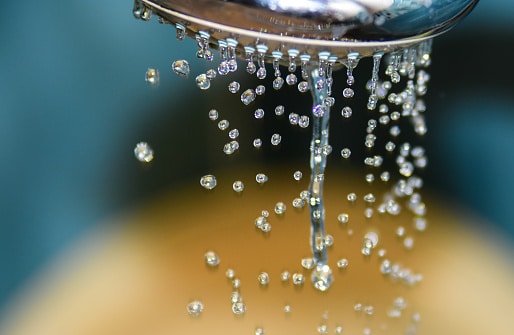
Low shower pressure can turn what should be a refreshing shower into a daily frustration. To fix the issue effectively, it’s important to understand what may be causing the drop in water flow. Several factors can affect shower pressure, including the municipal water supply, the condition of your plumbing system, and the components within the shower itself.
One common cause is a faulty water pressure regulator, which is designed to keep your home’s water pressure within a safe and comfortable range. When the regulator malfunctions, it can restrict water flow throughout the entire house, leading to noticeably weaker pressure at faucets and showers. Other issues—such as mineral buildup inside the showerhead, clogged aerators, or corroded pipes—can also limit water flow and reduce the pressure you experience.
If you want to narrow down the cause, you can test your home’s water pressure with a simple pressure gauge attached to an outdoor hose bib. Most homes operate best with water pressure between 40 and 80 PSI. If the reading falls outside this range, the problem could stem from the pressure regulator, municipal supply issues, or internal plumbing restrictions.
Weak shower pressure can develop gradually over time or appear suddenly. You might notice your shower takes longer to rinse, the spray feels weak, or the water pressure drops when someone else in the house turns on a faucet or appliance.
The good news is that low shower pressure usually has a clear cause and a practical solution. Some issues are simple fixes you can handle yourself, while others may require professional plumbing service. Let’s walk through the most common reasons for low shower pressure, starting with the easiest problems to check and moving toward the more complex issues that may require expert attention.

Start Here: The Quick Fixes You Can Try Today
Before assuming you have a serious plumbing problem, rule out these common culprits that take minutes to check. Sometimes, recent or incomplete plumbing work can result in partially closed valves, which may cause low water pressure in your shower. To troubleshoot low shower water pressure, clean the showerhead with vinegar, ensure all valves are fully open, and inspect for leaks. Testing water pressure and measuring flow rate can also help in improving water pressure before you consider calling a professional.
Your Showerhead is Clogged
Metro Atlanta’s moderately hard water contains minerals like calcium and magnesium that leave deposits on plumbing fixtures over time. As water passes through your showerhead, these minerals accumulate and gradually clog the tiny spray holes where water flows through.
This mineral buildup is one of the most common causes of low shower pressure in Georgia homes. In addition to showerheads, scale can also collect inside cartridges and supply lines, restricting water flow and reducing pressure throughout the fixture.
If the problem keeps returning even after cleaning the showerhead, it may indicate a larger hard water issue in your home. Installing a whole-home water filtration or water softening system can help reduce mineral buildup, protect your plumbing fixtures, and maintain consistent water pressure.
How to check: Unscrew your showerhead and look at the face plate. If you see white, chalky buildup or some holes appear completely blocked, you’ve found your problem.
The fix: Soak a clogged shower head in white vinegar for several hours or overnight to help dissolve mineral deposits and improve water flow. Cleaning your showerhead with vinegar can dissolve mineral buildup and restore water flow. For stubborn buildup, use an old toothbrush to scrub the holes. If pressure does not improve after cleaning, inspect or replace the shower hose as a maintenance step. This simple cleaning often restores pressure immediately.
The Flow Restrictor is Too Restrictive
Modern showerheads include flow restrictors designed to conserve water. While these help lower water bills and meet efficiency standards, some restrict flow so aggressively that the shower experience suffers, especially if you already have modest pressure.
How to check: Look for a plastic disc or washer inside the showerhead connection where it attaches to the pipe. This is the flow restrictor.
The fix: Many homeowners remove or modify the restrictor to improve pressure. Keep in mind this increases water consumption, but it’s a legitimate option if conservation features are creating an unacceptable experience.
Your Shower Valve or Cartridge Needs Attention
The mixing valve in your shower controls the flow of hot and cold water to the showerhead, directly affecting both water temperature and pressure. Over time, this valve or its internal cartridge can develop problems. Mineral deposits can restrict the cartridge inside the mixing valve body, reducing both hot water and cold water flow and pressure, even when the handle is fully open.
How to check: If your shower pressure is weak but other fixtures work fine, and cleaning the showerhead didn’t help, the mixing valve or its cartridge is a likely suspect. Issues with the mixing valve can impact both hot water and cold water supply.
The fix: Replacing a clogged shower cartridge can restore proper water flow and pressure in the shower. If you’re not comfortable doing this yourself, it’s an affordable repair for a professional plumber.
Your Shut-Off Valves Aren’t Fully Open
Every shower has shut-off valves that control water flow to that specific fixture. In addition to these fixture shut-off valves, it’s important to check the main shutoff valve and any inline valves throughout your plumbing system to ensure they are fully open. Sometimes these valves, including inline valves, get partially closed during repairs or renovations and never get fully reopened. Closed or partially closed inline valves can restrict water flow, causing low shower pressure.
How to check: Look for the valve handles in your bathroom, often located under the sink or in an access panel behind the shower wall. Also, locate the main shutoff valve and any inline valves along the water supply lines. Turn all these valves counterclockwise as far as they’ll go to make sure they are fully open.
The fix: If any of the valves, especially inline valves, were only partially open, fully opening them should restore normal pressure immediately. Checking and ensuring that all inline valves are fully open can help maintain optimal water flow to the shower.
Still dealing with low flow after trying these fixes? It’s time to look deeper into your plumbing system. Contact Serv’All Plumbing at (678) 968-0132 for a professional diagnostic assessment. We’ll identify exactly what’s causing your pressure problems and give you straight answers about your options.
When the Problem is Bigger Than Your Fixtures
If you’ve checked the simple fixes and your pressure is still weak, you’re likely dealing with a plumbing issue that extends beyond a single fixture.
Corroded or Clogged Pipes
Older Metro Atlanta homes, particularly those built before the 1960s, often have older pipes made of galvanized steel. These pipes corrode from the inside over decades, gradually restricting water flow as rust and mineral scale build up. Long-term mineral scaling shrinks the internal diameter of your pipes, stopping water traveling to your shower and lowering the water pressure.
This issue often affects multiple fixtures, not just a single shower or faucet. Because the buildup happens gradually over decades, many homeowners don’t notice the pressure loss right away—they simply get used to weaker water flow over time. If your entire home seems to have declining water pressure, aging or corroded pipes could be the cause. Upgrading to modern plumbing materials can significantly improve water pressure in your shower, and older, corroded pipes may require a booster pump or professional help to address low water pressure.
Hard water can also accelerate corrosion and mineral buildup inside plumbing systems. Metro Atlanta’s mineral-heavy water contributes to scale formation inside pipes, fixtures, and appliances. Installing a whole-home water filtration or water softening system can help reduce these minerals, protect your plumbing, and slow down future buildup—helping your pipes and fixtures last longer.
Undersized Supply Lines
Some homes have plumbing systems where the main trunk lines feeding water throughout the house are simply too small for the number of fixtures and branches they’re serving. This creates a volume problem where the flow rate drops and there’s not enough water pressure to adequately supply everything when multiple fixtures or water using appliances run at the same time. For example, running the dishwasher, washing machine, and shower simultaneously can significantly reduce water pressure.
This is especially common in older homes that have been renovated or expanded without upgrading the main supply lines to match the increased demand.
Pressure Regulator Failure
Your home’s pressure regulator installed in the main water line, also known as a pressure reducing valve, is responsible for maintaining proper water pressure from the municipal supply into your plumbing system. A faulty or incorrectly adjusted pressure reducing valve can significantly impact shower water pressure, often causing a noticeable drop.
If every fixture in your home suddenly has weaker pressure, the regulator is a likely culprit. This is a whole-house problem that affects showers, sinks, toilets, and appliances equally.
Leaks Somewhere in Your System
Leaking pipes and small leaks in your plumbing system can divert water away from where you need it, reducing the pressure at your fixtures. Even small leaks can divert up to 100 gallons of water daily, significantly lowering pressure. Small leaks in the plumbing system can significantly decrease water pressure before it reaches the showerhead. Hidden leaks reduce water pressure, and corroded pipes can restrict flow. This is especially likely if you noticed a sudden change in pressure rather than a gradual decline.
You might not see obvious signs of water damage, especially if the leak is in a wall, under a slab, or in your yard’s supply line. Watch your water bill for unexplained increases. Listen for the sound of running water when all fixtures are off. Check your water meter when nothing is running. If it’s still moving, you have a leak.
Advanced Solutions: Installing a Water Pressure Booster Pump
If basic fixes haven’t solved your low shower pressure, installing a water pressure booster pump may be the solution. In some homes, the municipal water supply simply doesn’t provide enough pressure to deliver a strong, consistent flow.
Booster pumps increase the pressure of water entering your home’s plumbing system, helping improve flow to showers, faucets, and appliances. Because installation involves plumbing and electrical work, it’s best handled by a licensed plumber who can evaluate your current pressure and recommend the right system.
With the proper setup, a booster pump can provide a long-term solution for low water pressure and restore a more comfortable shower experience.
Georgia-Specific Considerations
Living in Metro Atlanta introduces some unique factors that affect water pressure:
Hard water is the norm here. Calcium and magnesium in hard water contribute to mineral buildup, which happens faster in our area than in regions with softer water. Mineral buildup can clog the showerhead and shower cartridge, limiting water flow and pressure. Regular cleaning of fixtures and aerators becomes essential maintenance rather than optional upkeep. Over time, these minerals also accumulate inside pipes, progressively restricting flow. Additionally, sediment buildup in the water heater can block water flow and reduce pressure when using hot water, especially in areas with hard water.
For many homeowners, installing a whole-home water filtration or water softening system can help address the root cause. By reducing mineral content before water reaches your plumbing fixtures, filtration systems can protect pipes, extend the lifespan of appliances, and reduce the frequency of clogs caused by hard water buildup.
Older neighborhoods face infrastructure challenges. Many established communities in Marietta, Roswell, and older sections of Acworth still have aging pipes that restrict flow. Whole-house repiping becomes necessary eventually in these homes.
As these systems age, homeowners may notice declining water pressure throughout the house, discolored water, or more frequent plumbing issues. In many cases, the most effective long-term solution is whole-house repiping, where outdated pipes are replaced with modern materials like copper or PEX. Repiping restores proper water flow, improves water quality, and helps prevent leaks caused by deteriorating pipes.
Homeowners experiencing persistent low pressure in multiple fixtures may benefit from having a plumber inspect the system to determine whether partial or full repiping is the right solution for their home.
When to Call a Professional Plumber
You should contact a plumber when:
- Simple fixes haven’t resolved the problem
- Multiple fixtures throughout your home have low pressure
- You suspect pipe corrosion or hidden leaks
- Your pressure regulator needs testing or replacement
- You’re unsure what’s causing the issue and want a professional diagnosis
A licensed plumber can perform a comprehensive pressure test, inspect your pipes and fixtures, identify hidden leaks, and give you a clear picture of what’s happening in your plumbing system. Sometimes the problem is simple. Sometimes it requires more extensive work. But you can’t make an informed decision without accurate diagnosis.
What Professional Diagnosis Involves
When you call Serv’All Plumbing for a water pressure issue, here’s what typically happens:
Our plumbers start by testing pressure at multiple points throughout your home to identify whether you have a whole-house problem or an isolated fixture issue. We inspect visible pipes for corrosion, check your pressure regulator function, examine fixtures and valve cartridges for clogs or restriction, and look for signs of leaks.
In many cases, we identify the problem quickly and can fix it during the same visit. If you need to increase water pressure due to low incoming pressure, we may recommend installing a water pressure booster pump, which can significantly increase water pressure in your home. For more complex issues like pipe corrosion or hidden leaks, we’ll explain what we found, discuss your options, and provide upfront pricing before any work begins.
Don’t Settle for Weak Water Pressure
You’ve adapted to poor shower pressure long enough. Whether your problem is a clogged showerhead you can clean yourself or corroded pipes that need professional attention, identifying the cause is the first step toward actually fixing it. Addressing the root cause can make a noticeable difference in your shower experience.
Serv’All Plumbing has been diagnosing and solving water pressure problems for Metro Atlanta homeowners for over 30 years. We know the unique challenges our area’s water conditions and aging infrastructure create, and we’ve helped thousands of families restore strong, consistent water pressure throughout their homes.
Tired of weak showers and disappointing water pressure?
Call (678) 968-0132 to schedule a diagnostic appointment, or request your free estimate online. We serve homeowners throughout Acworth, Marietta, Kennesaw, Roswell, and surrounding Metro Atlanta communities with fast, professional service and honest answers.