Most homeowners think about plumbing the same way they think about their internet router. If it still technically works, nobody wants to spend much time looking at it.
That approach works fine right up until a pipe starts leaking behind a wall or the water heater decides 6:30 a.m. is the perfect time for a complete emotional breakdown.
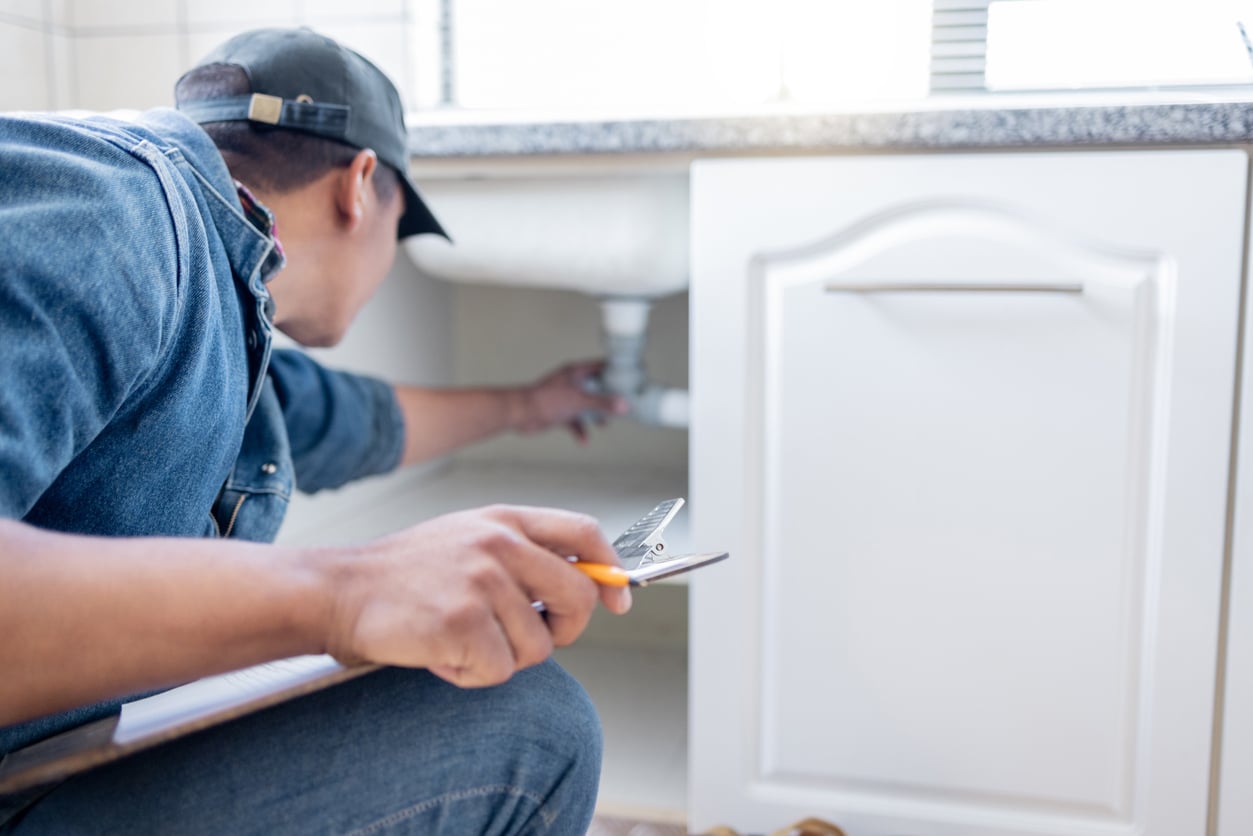
A professional home plumbing inspection gives homeowners a clearer understanding of how their plumbing system is functioning and whether hidden issues are developing behind the scenes. The goal is not to create panic or push unnecessary repairs. Rather, a good inspection focuses on catching small problems before they become expensive ones.
Quick Summary / At a Glance
- Residential plumbing inspections help catch leaks, corrosion, and drainage issues before major damage happens.
- Plumbing inspectors evaluate pipes, drains, water heaters, shut-off valves, and fixture performance.
- Metro Atlanta homes often deal with hard water buildup, aging plumbing systems, and sewer line wear.
- Preventative plumbing inspections usually cost far less than emergency plumbing repairs and water damage restoration.
- Serv’All Plumbing walks homeowners through findings during service visits so they understand their plumbing system clearly.
Why Preventative Plumbing Inspections Matter
Most plumbing problems do not appear overnight. Systems wear down gradually, and many warning signs stay hidden long before a homeowner notices anything feels wrong.
That is part of what makes plumbing inspections valuable. They give plumbers the opportunity to spot developing issues early, while repairs are still smaller, less invasive, and easier on the homeowner’s budget.
By the time a plumbing issue becomes obvious, the repair often involves more than the plumbing itself. Water has usually already reached drywall, flooring, cabinetry, or insulation.
A plumbing inspection may uncover:
- Minor pipe leaks
- Corrosion inside supply lines
- Drain line buildup
- High water pressure issues
- Loose plumbing connections
- Water heater wear
- Shut-off valve failures
- Early sewer line concerns
- Fixture deterioration
Many homeowners assume they would immediately notice a plumbing issue inside the home. Unfortunately, water tends to move quietly until it suddenly becomes everyone’s problem at once.
Drywall repairs, flooring replacement, cabinet damage, and mold remediation usually cost far more than the original plumbing repair itself.
What Plumbing Inspectors Look For During an Inspection
If you have never had a whole home plumbing inspection before, you may not be sure what the process includes.
A thorough inspection looks at how different parts of the plumbing system function together. Plumbers inspect visible components, evaluate performance, and watch for signs of developing problems.
Water Supply Lines & Visible Pipes
Supply lines carry water throughout the house every single day. Over time, pipes naturally experience wear from age, water quality, pressure changes, and mineral buildup.
Common Issues Found in Water Supply Lines
During an inspection, plumbers often check for:
- Corrosion
- Water stains
- Active leaks
- Pipe material concerns
- Weak fittings
- Pressure irregularities
- Previous repair quality
Older Metro Atlanta homes may still contain aging galvanized pipes or older copper systems that have reached the stage where repairs become more common.
Some homeowners gradually adapt to declining water pressure without realizing anything is wrong. Then the plumbing issue gets fixed, and suddenly the shower feels powerful enough to remove wallpaper.
Drain & Sewer Line Performance
Drain systems deal with constant use. Grease, soap residue, food particles, hair, and debris slowly build up over time. Drain problems often develop long before a full blockage happens.
Signs of Drain or Sewer Issues
A plumbing inspection may identify:
- Slow drains
- Gurgling sounds
- Sewer odors
- Recurring clogs
- Water backups
- Drainage inconsistencies
- Root intrusion concerns
Metro Atlanta properties commonly deal with tree root intrusion in sewer lines because roots naturally seek out moisture underground.
A slow drain may not seem urgent today, but multiple slow drains throughout the house can point toward larger sewer line concerns underneath the property. This is an important distinction because sewer repairs are significantly easier when caught early.
Water Heater Evaluations
Water heaters usually provide warning signs before they fail completely.
The problem is most water heaters sit quietly in garages, basements, or utility closets where homeowners rarely spend time unless they are looking for holiday decorations or wondering where that one extension cord disappeared.
What Plumbers Check on Water Heaters
During an inspection, plumbers may evaluate:
- Tank condition
- Sediment buildup
- Corrosion
- Venting
- Water connections
- Temperature settings
- Pressure relief valve operation
Though Atlanta tap water is soft, nearby places like Athens have hard water conditions that can increase sediment buildup inside water heaters over time. That buildup affects efficiency and places additional stress on the system.
Fixtures, Toilets, and Shut-Off Valves
Fixtures receive constant daily use, which means even small plumbing issues can create larger problems over time. A faucet drip may seem harmless until someone realizes it has been quietly increasing the water bill for the past year like a tiny indoor toll booth.
Fixture and Valve Problems Plumbers Often Find
Inspections may uncover:
- Running toilets
- Loose fixtures
- Worn seals
- Faucet leaks
- Weak flushing
- Failing shut-off valves
- Water pressure inconsistencies
Shut-off valves deserve more attention than most homeowners give them. Many people only discover a valve has failed during an active plumbing emergency, which is not exactly ideal timing.
Routine inspections help identify those issues before homeowners need to rely on the valve during a leak or burst pipe situation.
Hidden Leaks and Moisture Problems
Some of the most expensive plumbing problems stay hidden for months.
Leaks behind walls, beneath flooring, or above ceilings can quietly damage insulation, drywall, wood framing, and cabinetry before obvious symptoms appear.
Warning Signs of Hidden Plumbing Leaks
Plumbers may look for:
- Water stains
- Soft drywall
- Musty odors
- Mold indicators
- Moisture readings
- Unexplained increases in water bills
- Warm flooring spots
Homeowners often assume hidden leaks would immediately reveal themselves. Water, unfortunately, has a talent for remaining subtle right up until repair costs become extremely memorable.
Why Plumbing Inspections Matter Before Buying a Home
A general home inspection provides a broad overview of the property, but plumbing inspections offer a much more detailed look at the plumbing system specifically.
That extra evaluation helps buyers avoid expensive surprises after moving in.
Common Plumbing Problems Found During Real Estate Inspections
Specialized plumbing inspections may uncover:
- Sewer line deterioration
- Aging pipe systems
- Hidden leaks
- Water pressure issues
- Improper plumbing modifications
- Water heater wear
- Drainage concerns
Some plumbing problems remain completely invisible during a standard walkthrough. Nobody touring a house says, “This bathroom really speaks to me spiritually, although I should probably ask about the sewer line.”
A focused plumbing inspection gives buyers clearer information before making a major investment.
The Value of a Walk-Through With Your Plumber
Good plumbing service involves more than repairs. Homeowners deserve to understand what is happening inside their home and why recommendations are being made.
Serv’All Plumbing takes a proactive approach during service visits by walking homeowners through what technicians find. Sometimes everything looks solid. Sometimes a small issue gets caught before it develops into a much larger repair.
Either way, homeowners leave with better information and fewer surprises.
That practical communication style matters because most people are not trying to become plumbing experts. They just want honest answers, quality work, and fewer emergencies involving buckets and panic.
A Small Inspection Today Can Prevent a Huge Repair Later
Most plumbing emergencies start quietly. A small leak, worn valve, slow drain, or aging pipe usually gives warning signs before major damage happens. Residential plumbing inspections help homeowners catch those problems early while repairs are still manageable and far less stressful.
Preventative plumbing maintenance is rarely the exciting part of homeownership, but it is usually much cheaper than replacing flooring because a hidden leak decided to start freelancing behind the walls.
Schedule an Inspection in Metro Atlanta Before Your Plumbing Problems Get Bigger
Serv’All Plumbing has served Metro Atlanta homeowners since 1995 with practical plumbing service, honest recommendations, and experienced technicians who know what to look for. If your home has older plumbing, recurring issues, or you simply want peace of mind, schedule a residential plumbing inspection with the Serv’All team today.